
Microencapsulation for Botanical Actives: A Selection Guide
Encapsulation appears on quotations as a value-added option, and it is usually described in terms of what it protects the active from. That is half the story. Encapsulation is a trade: it buys protection, taste masking, release control or handling, and it pays for those in load, in cost per unit of active, and in…
Market Access for Botanical Ingredients: The Dossier
A botanical ingredient can clear customs perfectly and still be unsaleable. The documents that move a shipment — the commercial, transport and analytical pack that importers already know — answer the question of what the goods are and what condition they are in. Market access answers a different question: whether the material, in this form,…
Cold Chain and Temperature Excursions for Botanical Ingredients
Temperature control in the ingredient trade is usually discussed as a packaging question — keep the barrier intact, keep the drum sealed — and stability is discussed as a laboratory question, in the form of the shelf-life study attached to the specification. Between the two sits the part of the chain where most temperature damage…
Botanical Extracts in Gummies: Heat, Dosing and Shelf Life
Gummies have become the friendliest format on the shelf for a supplement brand and one of the least friendly for a botanical extract. The format asks the ingredient to survive a cooking step, sit in an acidic and highly concentrated sugar matrix, tolerate a deposition hold at elevated temperature, and then hold its colour, taste…
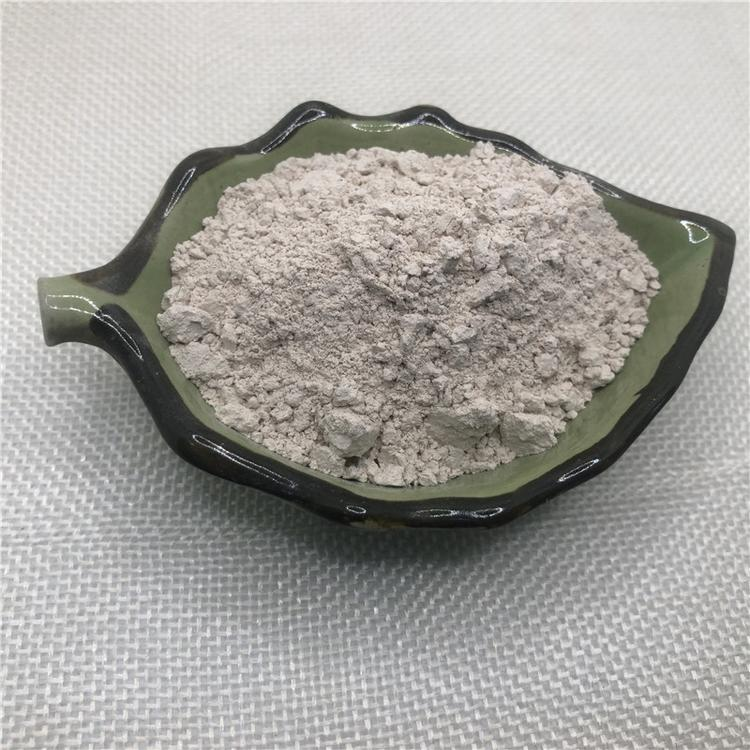
Botanical Ingredients for Pet Supplements and Animal Feed: Where the Rulebooks Diverge
A botanical extract that is straightforward to sell into a food or supplement application can become a difficult one to sell into feed, and the reason is not the material. It is that feed and pet nutrition are regulated as their own category, with their own authorisation routes, their own labelling conventions, their own species…
Vegan and Vegetarian Claims on Botanical Ingredients
A botanical extract sounds like the easiest possible input to a plant-based claim, and it frequently is not. The plant is only the raw material; between the field and the drum there are extraction aids, filtration aids, carriers, diluents, colourants, anti-caking agents, capsule shells and cleaning chemicals, and a number of them are conventionally animal-derived.…
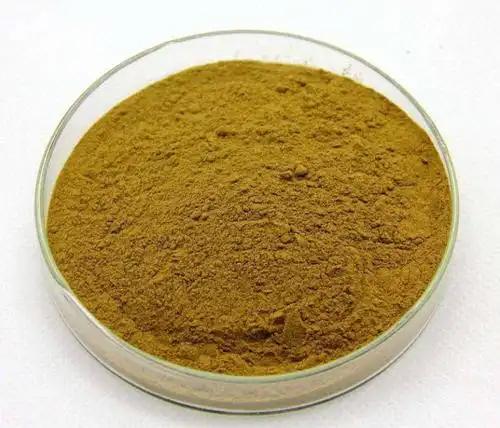
Botanical Extracts in Ready-to-Drink Beverages
A botanical extract that performs without complaint in a capsule, a tablet or a stick pack can behave quite differently once the medium becomes water. The temperature has gone up, the water activity has stopped helping, the product now has to look like something before it tastes like something, and it has to stay that…
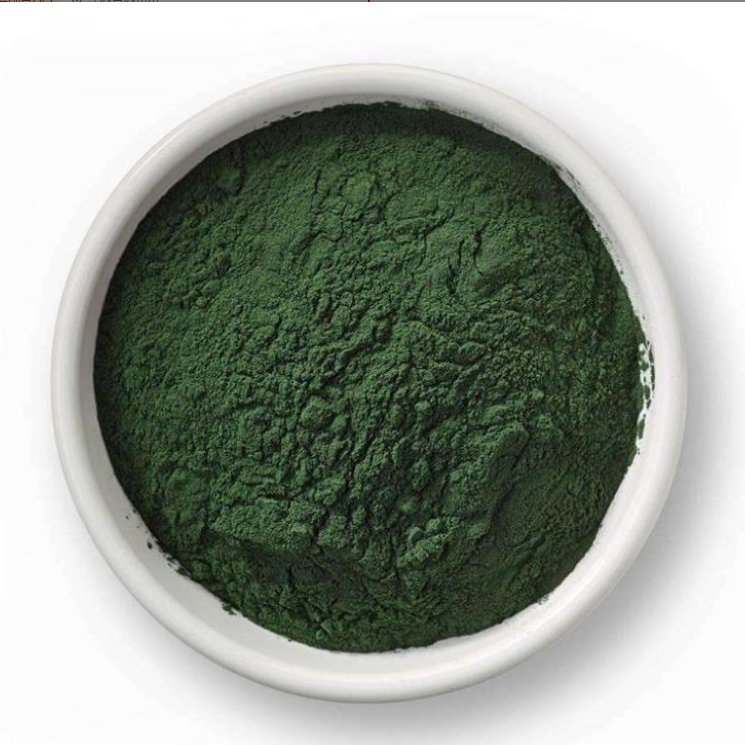
Natural Green Food Colourants: Chlorophyll, Chlorophyllin and Blends
Green is the colour that most often ends up as a compromise, and the reason is structural rather than technical. Where the other colours have a family of materials that can each be judged on its own merits, green is served by one true colorant family, one blending strategy, and a set of plant powders…
Moisture Content and Water Activity in Botanical Powders: Two Numbers, Not One
Almost every botanical specification carries a moisture figure, and almost none of them carries a water activity figure. That single omission explains a large share of the complaints that arrive after delivery: a lot that conformed on paper, that caked in the sachet, lost assay faster than the stability data predicted, or grew mould in…
Specification Change Control for Botanical Ingredients
The most expensive change to a botanical ingredient is usually the one nobody announces. A grower switches variety, a processor changes the drying method, a supplier moves to a different carrier, a laboratory updates its method, and the material that arrives is inside the specification while behaving nothing like the material that was approved. Botanical…