
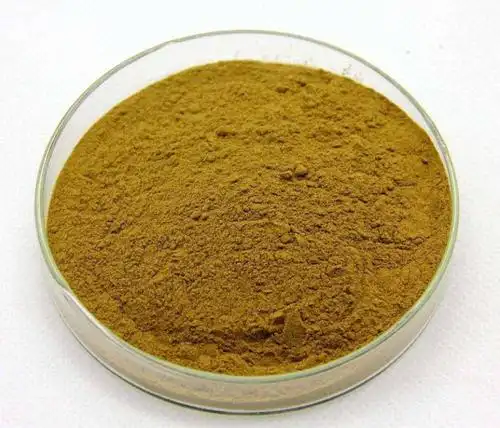
Botanical Extracts in Ready-to-Drink Beverages
A botanical extract that performs without complaint in a capsule, a tablet or a stick pack can behave quite differently once the medium becomes water. The temperature has gone up, the water activity has stopped helping, the product now has to look like something before it tastes like something, and it has to stay that…
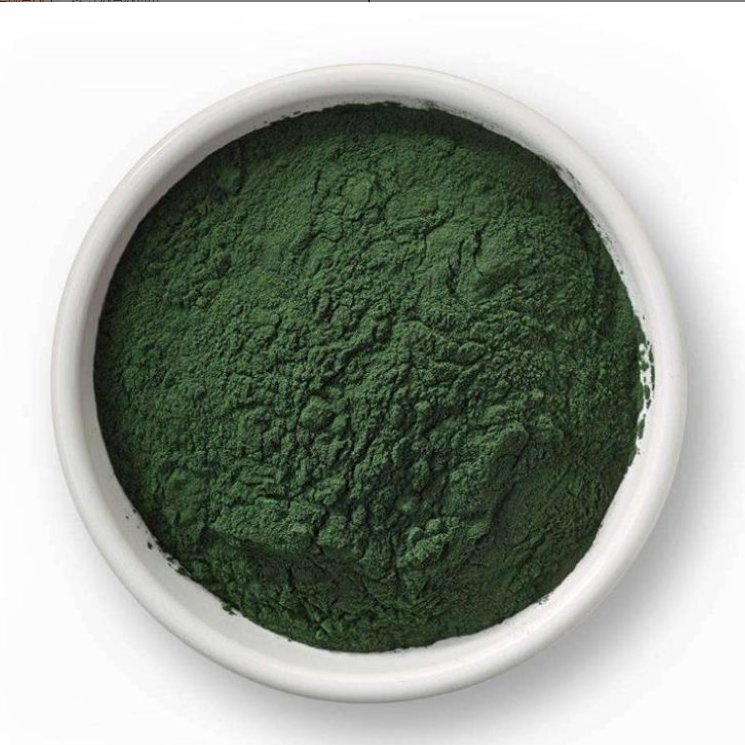
Natural Green Food Colourants: Chlorophyll, Chlorophyllin and Blends
Green is the colour that most often ends up as a compromise, and the reason is structural rather than technical. Where the other colours have a family of materials that can each be judged on its own merits, green is served by one true colorant family, one blending strategy, and a set of plant powders…
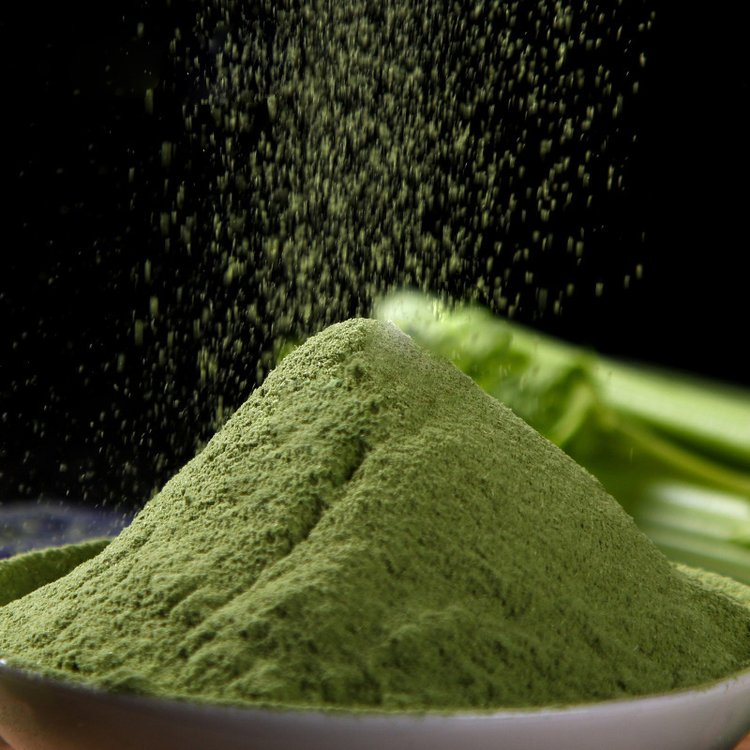
Moisture Content and Water Activity in Botanical Powders: Two Numbers, Not One
Almost every botanical specification carries a moisture figure, and almost none of them carries a water activity figure. That single omission explains a large share of the complaints that arrive after delivery: a lot that conformed on paper, that caked in the sachet, lost assay faster than the stability data predicted, or grew mould in…
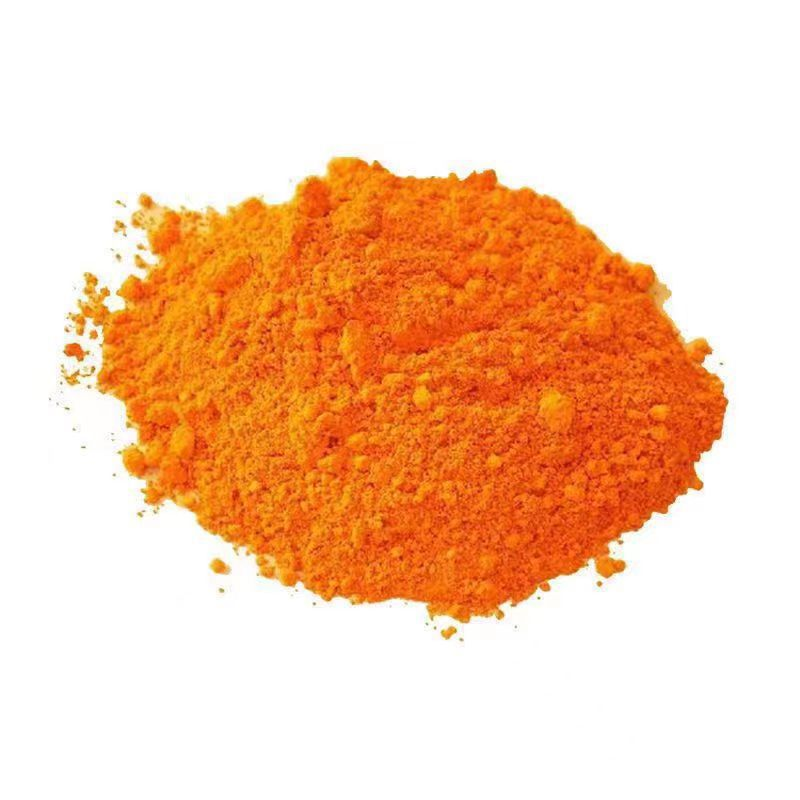
Specification Change Control for Botanical Ingredients
The most expensive change to a botanical ingredient is usually the one nobody announces. A grower switches variety, a processor changes the drying method, a supplier moves to a different carrier, a laboratory updates its method, and the material that arrives is inside the specification while behaving nothing like the material that was approved. Botanical…
Scaling Up a Botanical Extract: From Pilot Batch to Commercial Lot
The sample that gets approved in a development kitchen is a prototype of a process, not of a product. When the same specification is produced in a commercial vessel, something changes — usually the yield, quite often the colour, frequently the particle size distribution, and occasionally the assay itself — and none of those changes…
Sampling Botanical Ingredients: Getting a Sample That Represents the Batch
Every certificate of analysis makes the same quiet claim: that the material in the laboratory reflects the material in the warehouse. That claim is verified far less often than it is assumed. A result describes the sample that was tested, and the sample is normally drawn by a person with a scoop, under time pressure,…
Sampling Botanical Ingredients: Getting a Sample That Represents the Batch
Every certificate of analysis makes the same quiet claim: that the material in the laboratory reflects the material in the warehouse. That claim is verified far less often than it is assumed. A result describes the sample that was tested, and the sample is normally drawn by a person with a scoop, under time pressure,…
Food-Grade and Cosmetic-Grade Botanical Extracts: Two Rulebooks, One Drum
The word grade sounds like a position on a ladder, as though cosmetic-grade sits above food-grade and both sit below a compendial material. It is not a ladder. A grade describes which regulatory framework the material was produced and documented against, and the same plant, extracted the same way and tested in the same laboratory,…
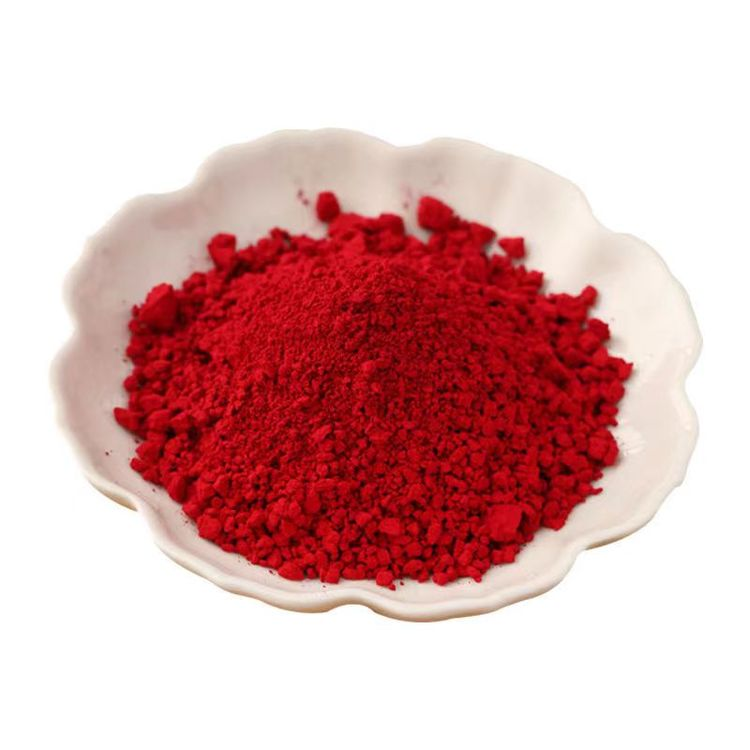
Natural Red Food Colourants: Choosing Between Betalains, Carmine, Paprika and Lycopene
Red is the hardest colour to move to a natural system, and it is the one where the difference between the available options matters most. Where blue has two workable routes, red has at least five, and they are not variations on a theme — they belong to different chemical families with different behaviour across…
Extract Ratio, DER and Standardisation: Reading the Numbers on a Botanical Specification
Three numbers appear on botanical specifications and are treated as if they meant the same thing. One describes how much plant went in, one describes what the material was adjusted to, and one describes a measurement of a named compound. Suppliers quote whichever of the three is most flattering to the material, and buyers compare…