Specification Change Control for Botanical Ingredients
The most expensive change to a botanical ingredient is usually the one nobody announces. A grower switches variety, a processor changes the drying method, a supplier moves to a different carrier, a laboratory updates its method, and the material that arrives is inside the specification while behaving nothing like the material that was approved. Botanical ingredients cannot be frozen: harvest, origin and yield genuinely vary, and a clause that forbids change is unenforceable and would be ignored. What can be managed is notification, assessment and the decision that follows. This guide sets out which changes actually occur, why a conforming lot can still be a problem, what has to be re-done when a parameter moves, and how to put the obligation into the supply agreement rather than into a covering email.
The changes that are not announced as changes
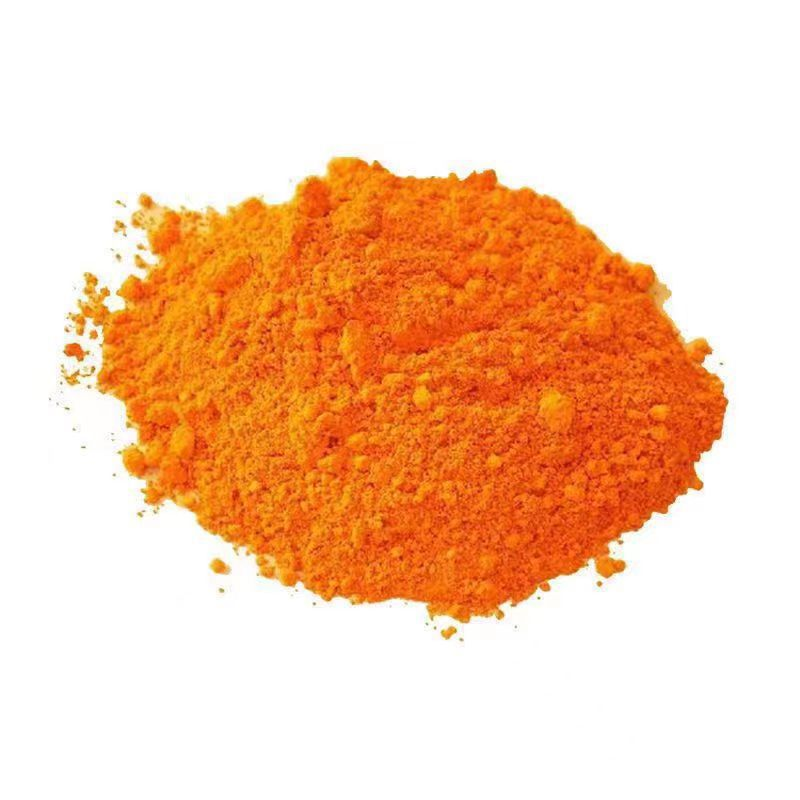
Harvest variation is the change that requires no decision by anybody. The same species grown in a different region or a different season, or harvested at a different maturity, gives a different marker content, a different colour, a different bitterness and a different yield. None of that feels like a change to the supplier, who is simply supplying the material that the last harvest produced, and it is the reason a specification built from a single reference lot is a fragile document.
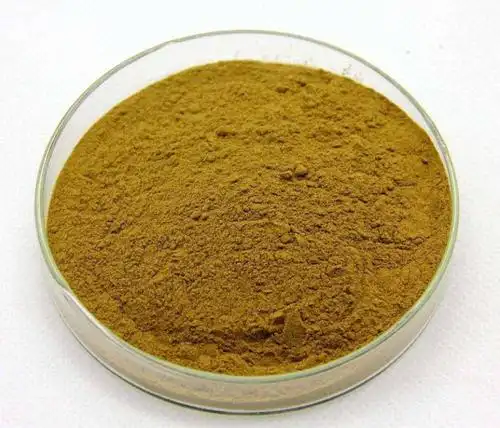
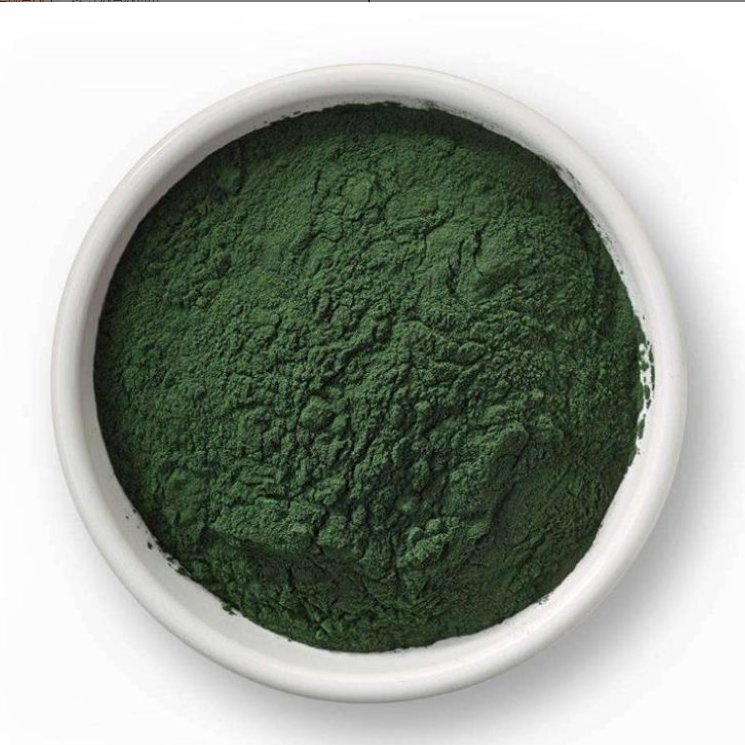
Process variation is the second family, and it is where most of the consequential changes hide. A different extraction solvent or a different number of extraction passes, a change from tray drying to spray drying, a different milling or sieving step, a switch in the sterilisation route — each of these alters the material in ways that a marker assay may not capture at all. The particle size distribution moves, the colour moves, the solubility moves and the flavour moves, while the number on the certificate can stay inside its window.
Carriers and diluents are a third family, and a frequent one, because standardisation is achieved by adjusting the material. Changing the carrier from one maltodextrin to another, or from a maltodextrin to a gum, is presented as a sourcing improvement rather than as a material change, but it changes the allergen statement, the carbohydrate figure, the hygroscopicity and the declaration. So does a change in the ratio of carrier to active.
Behind those sit two more that are easy to overlook. The first is a change of sub-supplier or of the certified operator behind a certificate, which alters the chain of custody that the certification depends on. The second is a change of analytical method or laboratory, where the physical material is identical and the reported figure nevertheless changes because the measurement changed. That last one produces the most confusing conversations of all, because both parties can be right.
Why a conforming lot can still be a problem
The specification is a set of limits, not a description of a material. When a change moves the material inside those limits, the lot conforms and the supplier has done nothing wrong on paper, yet the consequences land on the buyer. The reason is that the specification captures the parameters you thought to write down, and the process downstream depends on parameters you did not.
Consider what a formulation actually relies on. A tablet runs on flowability, compressibility and particle size distribution rather than on marker content. A beverage powder runs on dispersion behaviour, on the absence of sediment and on taste. A capsule fill runs on bulk density. A clear liquid runs on colour and on the absence of haze after storage. None of those properties is normally captured by a limit range, so none of them is protected by conformance. A change that shifts the particle size distribution by a few tens of microns can move a filling operation from comfortable to marginal while every certificate in the file reads correctly.
The knock-ons extend beyond your own process. Allergen statements change when the carrier changes. Certification scope changes when the processing site changes, because certification attaches to an operation rather than to a product name. Claims that were built on a marker figure change when the standardisation basis changes. Where the finished product is sold with origin or composition statements, the wording may have to move as well. And commercially, if the material was priced against a yield, a change in yield changes the cost per kilogram of what you are actually buying, which is the figure the buyer should have been negotiating on from the start.
What has to be redone, and in what order
The trigger test is straightforward even if the work is not. Ask whether the change touches a parameter that any of your own critical quality attributes depends on. If it does, the change is not a documentation matter; if it does not, document it and keep monitoring.
Where the change does matter, the work usually runs in this order. Establish identity and the marker figure on the new material, and confirm that the analytical method is the same one used previously, because a moved figure may be a moved method. Generate stability data on the new material, since earlier stability work describes the earlier material and cannot simply be inherited. Refresh the allergen, certification and composition statements, which follow the material and the site. Rebuild the sensory and colour reference, because that is where botanicals differ most and where analytical data is least informative. Run a trial in your own process at the intended use level, with the finished product tested after storage rather than fresh. Update the artwork and the ingredient statement if the declaration has changed. And notify your own customers where the agreement requires it, because the obligation to the brand downstream does not disappear simply because the ingredient still conforms.
Not every change deserves the full sequence, which is why a tiered response is worth defining in advance: documentation only, documentation plus a sample and a targeted test, or a full re-qualification with stability work and a process trial. Deciding the tier after the event is how organisations end up either over-reacting to a harmless change or discovering a material change halfway through a production run.
Writing change control into the supply agreement
The obligation belongs in the agreement, in specific terms rather than as a general aspiration to communicate.
The notification requirement should specify the window, and the window has to be measured from the point at which the change takes effect rather than from the point at which the buyer discovers it, which generally means notification in advance of the affected shipment. The notice itself should be defined by content: what changed, why, from when, whether it is permanent or specific to a lot, what the material’s figures now are, what data accompanies the change, and whether any statement, certificate or declaration is affected.
The buyer’s side then needs its own clause. An assessment window, the right to require a qualification sample before further shipments, and the right to decline the change and to treat the agreement as no longer describing the material. Cost allocation should be settled while everyone is still friendly, because it is much harder to negotiate after a production line has stopped. Decide in advance who pays for validation work, for artwork changes, for stability testing and for the disposal of stock that can no longer be used.
Finally, make the specification itself a controlled document. Give it a revision number and an effective date, keep a change history in it, require the certificate of analysis to state the revision it was issued against, require the purchase order to reference the revision in force, and say what happens if a change ships without notice — the remedy, not merely the expectation.
The documents that make a change visible
Visibility comes from a small number of habits rather than from a large system. The specification should carry a revision number and an effective date, and should name the parameters considered critical, so that both parties can see which of them trigger requalification. The certificate should reference the specification revision it was issued against, which is the single most useful line on the document and the one most often missing. A change notification form, kept simple and used every time, does more good than a long procedure that nobody follows. A change register, reviewed at the annual meeting, turns a series of individual decisions into a visible history.
An annual review of the lots received is worth the effort for a different reason: it detects drift that never produced a notification. Plotting the marker content, moisture and colour of consecutive lots against the original reference material shows movement that each individual certificate described as conforming, and it usually surfaces a slow change several shipments before the taste panel does.
When a change has already shipped
The first action is comparison, not negotiation. Retain samples of the approved material are the reference, and a side-by-side set of results, taken on the same method and read by the same panel, settles most disputes without argument. Comparing against a retain sample also answers the question that matters commercially: is this a different material, or is it the same material behaving differently in your process?
From there the options are the ones change control exists to make available: accept the change and issue a new specification revision, use out the existing stock under a documented assessment, or reject the shipment and treat the agreement as being in dispute. Each of those is a defensible decision; what is not defensible is a silent acceptance that leaves the specification describing a material nobody will receive again.
What to write into the purchase specification
State that the specification is a controlled document with a revision number and an effective date, and that any change to it requires prior written notification before the affected shipment. State what the notification has to contain, the assessment window, and the remedy for a change that ships without notice. State which parameters are treated as critical for your process, so that the supplier knows which changes trigger a qualification sample and which ones are documentation only. Require the certificate to reference the specification revision in force. Require a sealed reference sample of the approved material, retained for the life of the finished product. And state the documentation that must accompany every lot, so that a change cannot arrive without the statements it invalidates being updated at the same time.
Frequently Asked Questions
Botanical material is naturally variable, so why bother with change control?
Because variability and uncontrolled change are different problems. Seasonal and harvest variation is a known source of drift that a well-written specification with ranges can absorb, and it is monitored rather than prevented. The purpose of change control is to make deliberate changes — a new process, carrier, site or method — visible before they are shipped, so that the buyer can decide whether the change matters.
What counts as a change that has to be notified?
Anything that alters the material or the way it is described: raw material origin, variety or harvest; extraction and drying route; milling, sieving or sterilisation; carrier identity or ratio; the site where the material is processed; the certified operator behind a certificate; and a change of analytical method or laboratory, which changes the reported figures without changing the material.
Do I have to requalify after every change?
No. Define a tiered response in advance. Changes that touch a parameter your own critical quality attributes depend on warrant a sample and a trial, and usually stability work. Changes that do not touch those parameters can be documented and monitored. The important part is deciding which parameters are critical before the change arrives, not after.
The change is inside my specification limits, so does it matter?
It can. A specification is a set of limits rather than a description of the material, and much of what a formulation depends on — flow, compressibility, dispersion, colour, taste after storage — is not captured by typical limits. A lot can conform on every line and still behave differently in your process, which is why the critical-parameter list and the reference sample do most of the protective work.
What can I do if a change ships without notice?
Compare the lot against your retain sample of the approved material, using the same method and the same sensory reference, and establish factually whether the material has changed. Then decide between accepting the change with a revised specification, using out the stock under a documented assessment, or rejecting the shipment. Retaining a sealed reference sample at qualification is what makes this decision evidential rather than a matter of opinion.