Marshmallow Leaf Smoking Side Effects: What You Should Know Before Using It
Many people interested in herbal smoking blends have come across marshmallow leaf as a potential ingredient. Often promoted as a smoother alternative to tobacco, marshmallow leaf has become popular among those exploring natural herbs for smoking. However, questions about safety remain common.
One of the most frequently searched topics is marshmallow leaf smoking side effects. While marshmallow leaf is generally considered a mild herb, smoking any plant material may affect the lungs and respiratory system. Understanding the potential risks can help users make informed decisions.
What Is Marshmallow Leaf?
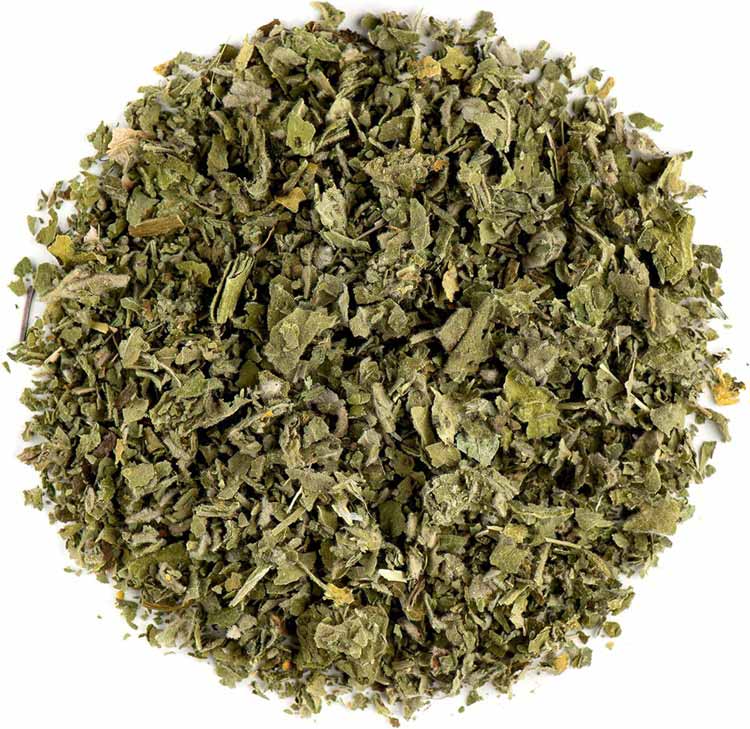
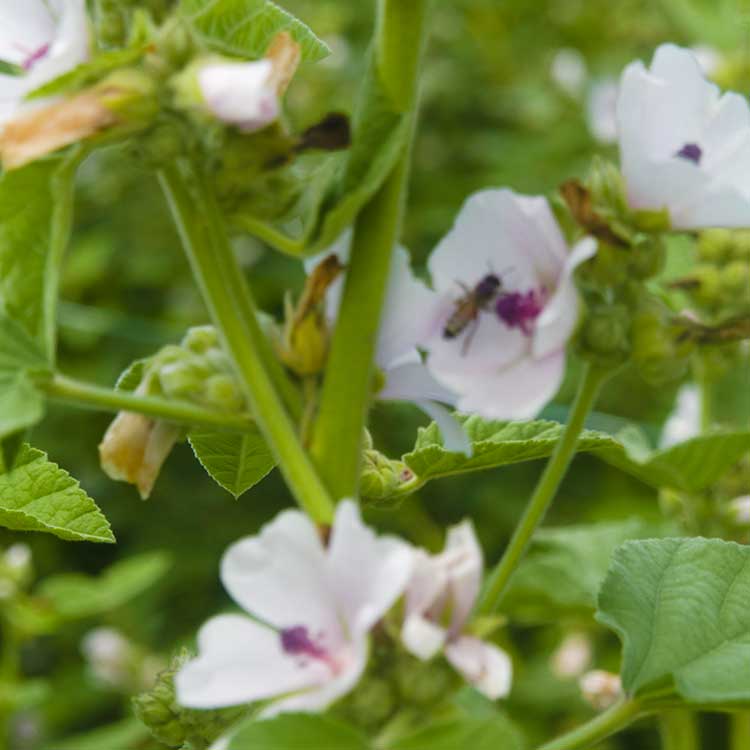
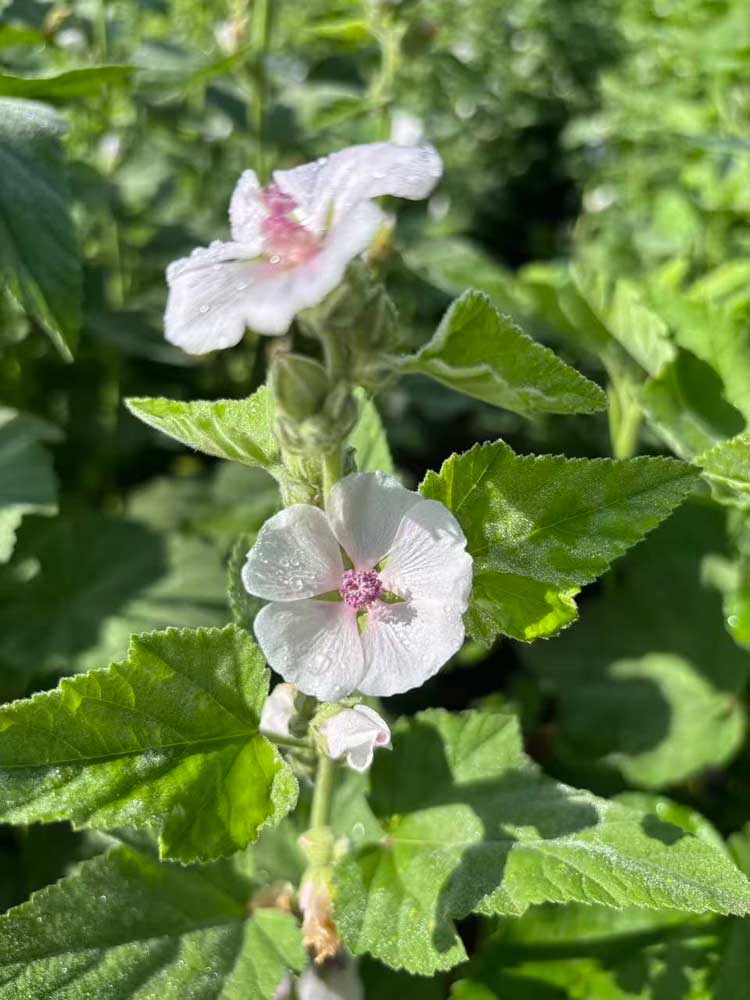
Marshmallow leaf comes from Althaea officinalis, a perennial herb traditionally used in herbal medicine. The plant has a long history of use in teas, extracts, and topical preparations.
Unlike marshmallow root, which is often valued for its mucilage content and soothing properties, the leaves are sometimes included in herbal smoking blends because they burn relatively evenly and produce a mild smoke.
Why Do People Smoke Marshmallow Leaf?
People choose marshmallow leaf for several reasons:
- As a tobacco substitute
- To dilute stronger smoking herbs
- For a smoother smoking experience
- As part of homemade herbal blends
Some users report that marshmallow leaf produces a light, neutral flavor compared to stronger herbs. However, personal experiences vary significantly.
Potential Side Effects of Smoking Marshmallow Leaf
Although marshmallow leaf is often described as gentle, smoking it is not completely risk-free.
1. Throat Irritation
One of the most commonly reported side effects is throat irritation. Smoke contains hot particles that can irritate sensitive tissues in the mouth and throat.
Possible symptoms include:
- Dry throat
- Mild coughing
- Scratchy sensation
- Temporary discomfort when swallowing
People with existing respiratory sensitivity may notice these effects more strongly.
2. Coughing
Even herbs traditionally considered mild can trigger coughing when smoked.
Factors that may contribute include:
- Dry herbal material
- Large inhalations
- Frequent smoking sessions
- Individual sensitivity
Occasional coughing does not necessarily indicate an allergy, but persistent symptoms should not be ignored.
3. Respiratory Irritation
Any form of smoke introduces combustion byproducts into the lungs. Marshmallow leaf smoke is no exception.
Potential effects may include:
- Chest discomfort
- Increased mucus production
- Short-term breathing irritation
- Worsening of asthma symptoms in susceptible individuals
People with asthma, chronic bronchitis, or other lung conditions should exercise particular caution.
4. Allergic Reactions
Although uncommon, allergic reactions can occur.
Possible signs include:
- Skin rash
- Itching
- Sneezing
- Nasal congestion
- Respiratory discomfort
Anyone with a known sensitivity to plants in the Malvaceae family should avoid using marshmallow leaf without professional guidance.
5. Dry Mouth
Some users report experiencing dry mouth after smoking herbal blends containing marshmallow leaf.
Symptoms may include:
- Increased thirst
- Sticky feeling in the mouth
- Temporary reduction in saliva production
Staying hydrated before and after smoking may help reduce discomfort.
Is Smoking Marshmallow Leaf Safe?
There is limited scientific research specifically examining the long-term effects of smoking marshmallow leaf.
What is known is that inhaling smoke from any burned plant material exposes the respiratory system to particulates and combustion compounds. For this reason, smoking cannot generally be considered risk-free, even when the herb itself has a history of traditional medicinal use.
The absence of strong evidence showing harm does not automatically prove safety.
Marshmallow Leaf vs. Tobacco
Many people compare marshmallow leaf to tobacco because it is often used as a substitute.
Compared with tobacco, marshmallow leaf:
- Contains no nicotine
- Does not create nicotine dependence
- Typically produces a milder flavor
- May feel less harsh for some users
However, replacing tobacco with marshmallow leaf does not eliminate the risks associated with inhaling smoke.
Who Should Avoid Smoking Marshmallow Leaf?
Certain individuals may want to avoid smoking marshmallow leaf entirely:
- People with asthma
- Individuals with chronic lung disease
- Pregnant or breastfeeding women
- Those with known plant allergies
- Anyone recovering from respiratory infections
Consulting a healthcare professional is advisable if there are concerns about potential interactions or health risks.
Frequently Asked Questions
Does marshmallow leaf get you high?
No. Marshmallow leaf is not known to contain psychoactive compounds and does not produce an intoxicating effect.
Can marshmallow leaf damage the lungs?
Research specifically on marshmallow leaf smoke is limited. However, inhaling smoke from any burned plant material may irritate the lungs and respiratory tract.
Is marshmallow leaf safer than tobacco?
Marshmallow leaf does not contain nicotine, which eliminates nicotine addiction concerns. However, it still produces smoke that can affect respiratory health.
Can marshmallow leaf cause coughing?
Yes. Some users experience coughing, especially when inhaling deeply or using dry herbal material.
Final Thoughts
Marshmallow leaf is often included in herbal smoking blends because of its mild character and lack of nicotine. Nevertheless, smoking marshmallow leaf is not entirely free of side effects.
Potential concerns include throat irritation, coughing, respiratory discomfort, allergic reactions, and dry mouth. While many users report a relatively smooth experience, scientific research on long-term inhalation remains limited.
Anyone considering smoking marshmallow leaf should weigh the potential risks, particularly if they have existing respiratory conditions. Understanding both the traditional uses of the plant and the realities of smoke exposure can lead to more informed choices.