Stevia and Monk Fruit: Formulating with High-Intensity Natural Sweeteners
Replacing sugar is not a sweetness problem. It is a body problem, a browning problem, a shelf-life problem and a taste-timing problem — and sweetness is the easiest of the five to solve.
That distinction determines whether a reduced-sugar project succeeds. Teams that treat stevia or monk fruit as a drop-in substitute for sucrose usually produce a product that tastes thin, finishes with an off-note, and behaves unexpectedly in storage. Teams that treat the replacement as a system redesign get there, but they have to plan for the consequences.
This guide covers the technical decisions: how the sweeteners compare, how to convert sweetness, how to handle the off-notes, and — most importantly — how to rebuild the functions sugar was performing.
The high-intensity options, compared
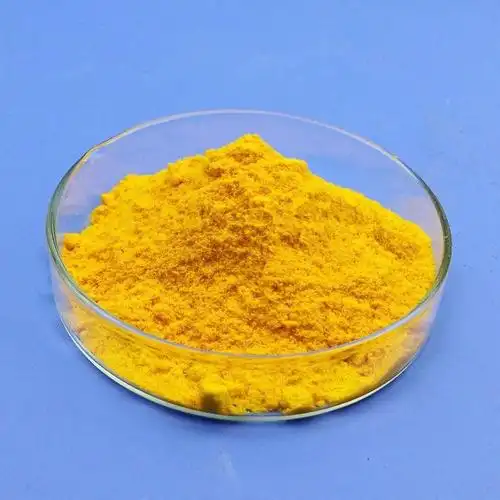
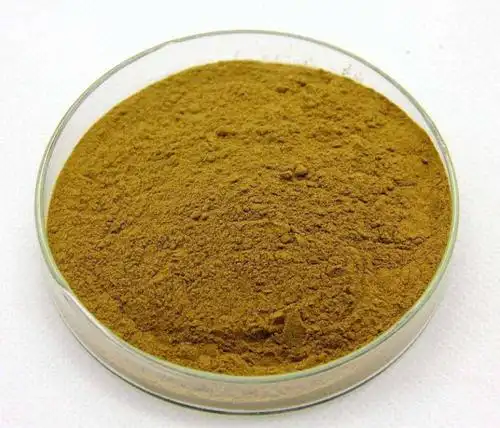
Stevia extract is built on steviol glycosides, chiefly rebaudioside A, and delivers a high multiple of sucrose sweetness at equivalent solids. Its appeal is the clean-label positioning; its classic limitation is a lingering bitterness and a licorice-like note at higher use levels. High-purity rebaudioside grades — rebaudioside A at high purity, or rebaudioside M — sit at a higher multiple with a cleaner profile than standard grades, and rebaudioside M and similar minor glycosides are used specifically to reduce off-notes, at a materially higher cost.
Monk fruit extract, whose principal actives are mogrosides and chiefly mogroside V, also delivers a high multiple of sucrose sweetness, but with a rounder sweetness profile than standard stevia; it is often blended with stevia so that the two complement each other’s curves. Erythritol is a sugar alcohol and not a high-intensity sweetener at all — its sweetness is low, roughly a fraction of sucrose — and its role is bulk, body and a cooling effect, which makes it a frequent partner to stevia or monk fruit. Neohesperidin dihydrochalcone, a flavonoid-derived sweetener, is high-intensity but with a slow onset and a lingering finish, and it is used at low levels for mouthfeel and to mask off-notes rather than as the primary sweetener.
The most useful framing is this: stevia and monk fruit supply sweetness, while erythritol and similar bulking agents supply everything else sugar was doing. A formulation that changes only the first group is incomplete.
Converting sweetness without getting it wrong
Sweetness conversion is where project timelines slip, because the conversion factor is not a constant. There are three reasons for that.
The first is that sweetness multiples are comparative, not absolute. “200 times sweeter than sucrose” describes a comparison at a specific concentration in a specific medium, and at low use levels in water the effective multiple differs from the same material in a high-solids matrix. The second is that sweetness curves differ in time. Sucrose has a fast onset and a clean finish, while steviol glycosides and monk fruit arrive at different rates and linger longer, so matching peak intensity does not match the perceived experience. The third is that different sweeteners are not additive in a linear way: blending stevia and monk fruit often produces a rounder result than either alone at the same total sweetness, which is a genuine formulation advantage and the reason blends are the norm rather than an exception.
The practical procedure for converting a formula runs as follows. Establish the target sweetness in sucrose equivalents for your specific matrix. Build two or three candidate blends at that target rather than one. Adjust the ratio between the high-intensity sweetener and the bulking agent, not just the total. Evaluate with the finished flavour system in place, not in water. Then re-check after any change to flavour, acid or solids, since all three shift perceived sweetness. Nothing here replaces tasting: sensory evaluation with the actual matrix is the conversion tool, and published multiples only get you into the right range for the first trial.
The body problem: what sugar was actually doing
This is the part that decides whether consumers repurchase, and the part that reformulation briefs most often omit. Sucrose is not only a sweetener.
It supplies bulk and volume, which erythritol, maltodextrin, inulin and fibre blends can stand in for — and the things to check are the tableting weight, the fill weight, and the declaration effect of whichever bulking agent you choose. It supplies mouthfeel and body, replaced by bulking agents, hydrocolloids and soluble fibre, and the symptom to watch for is the thin, watery sensation typical of incomplete reformulation. It supplies mouth cooling, which erythritol and other polyols provide — desirable in some categories, unwanted in others. It drives browning and colour development, which high-intensity sweeteners generally cannot replace, so bakery and thermally processed products lose crust colour when reducing sugars are removed. It controls water activity, and removing sugar raises it, which means drying or humectant systems are needed to protect microbial stability and texture. It preserves, a function often lost along with the sugar, so a preservative or a process adjustment is usually required. And it governs texture, crystallisation and freezing behaviour, where bulking agents plus stabilisers take over — relevant to frozen desserts, confectionery and baked goods.
Two of these deserve emphasis because they cause the most expensive mistakes. The first is water activity and preservation. Sugar lowers water activity and is not, in most formulations, available to spoilage organisms at high concentrations; removing it raises water activity and can increase the share of water available to microorganisms. A reformulated product that passed micro testing before reformulation may not pass after. This must be assessed as a stability project, not assumed. The second is browning. High-intensity sweeteners do not participate in the browning reactions that reducing sugars do, and in baked goods that changes colour, flavour development and aroma. Where browning is essential to the product, the solution is a residual reducing sugar or a process change — not more sweetener.
Managing off-notes
Bitterness, licorice-like notes and lingering sweetness are the standard sensory complaints with standard stevia grades. There are five levers, and they are worth trying in this order.
Start with grade selection. Higher-purity rebaudioside grades, and rebaudioside M in particular, are used precisely to reduce these notes, and most projects that “taste like stevia” are using a commodity grade where a premium grade would solve the complaint. Then blend. Stevia and monk fruit have different off-note profiles, and blending them often cancels part of each, which makes this the single most effective and cheapest lever. Then look at use level, because off-notes intensify disproportionately as the use level rises: if the formula needs a large amount of high-intensity sweetener to hit target, that is a signal to add a bulking agent rather than more sweetener. Then do complementary flavour work, since vanilla, certain fruit notes, acid systems and salt all modulate perceived bitterness — salt in particular is frequently overlooked and is used at very low levels for this purpose. Finally, masking agents. Neohesperidin dihydrochalcone and similar materials are used at low levels to round out mouthfeel and mask off-notes, not as primary sweeteners.
Buying the raw materials: what to specify
Specifying stevia and monk fruit comes down to pinning the same six points on each material.
For stevia extract, state total steviol glycosides plus the rebaudioside A share as a separate figure; for monk fruit extract, state mogroside V content together with the method used. On purity, regulatory specifications define the minimum glycoside content for the food additive identity, so confirm the grade against the applicable specification — and for monk fruit, confirm the extraction solvent route, since it affects the declaration and some certifications. On physical form, both are supplied as powder, with a liquid concentrate available for stevia where the process suits it. Taste-relevant extras matter: residual plant notes vary by purification level, so request a sensory sample, not just a CoA. Check solubility, meaning the dissolution rate at your use level, particularly for cold-process beverages. And confirm certification — halal and kosher status, and organic if claimed — for both materials.
Two procurement habits prevent most problems. Buy on specification plus sensory sample: two materials can meet the same glycoside figure and still taste differently depending on purification, so approve both the certificate and a taste panel result. And confirm the regulatory identity, not just the purity. In the European Union, steviol glycosides are authorised as a food additive with defined specifications, including purity criteria for the glycoside content. In the United States, stevia and monk fruit materials have been the subject of GRAS notifications, and the specific notification matters to the regulatory file. Monk fruit’s status is less uniformly harmonised across markets than stevia’s, and it is worth verifying the position in each destination market rather than assuming it is treated as a fruit-derived ingredient.
Cost modelling for sweetener systems
Comparing a high-intensity sweetener to sugar on price per kilogram is meaningless, because the materials are used at completely different levels. Model on cost per unit of finished product instead, and include the raw material cost of the sweetener at its actual use level; the raw material cost of the bulking agent, which is usually the larger volume; any additional stabiliser, humectant or preservative required; process changes such as drying capacity, mixing time and additional quality testing; and the reformulation and relabelling cost if the source or grade changes later. The raw material cost of the bulking agent is the one that surprises teams. In many reduced-sugar systems the bulking agent, not the high-intensity sweetener, is the dominant cost line, and the choice of bulking agent is therefore the commercial decision — the sweetener is the small line item.
Frequently asked questions
Can I replace sugar one-for-one with stevia? Not on a mass basis. The materials are used at completely different levels, and sugar also provides bulk, body, water activity control and browning that stevia does not. Replacement is done on a sweetness-equivalence basis, and the non-sweetness functions have to be rebuilt separately with bulking agents and stabilisers.
Why does my reduced-sugar product taste thin even though the sweetness is right? Because sweetness is only one of the functions sugar performed. Body and mouthfeel come largely from solids and hydrocolloids, so increasing the bulking agent, or adding a small amount of soluble fibre, is the usual fix — adding more high-intensity sweetener will not help and tends to worsen off-notes.
Is monk fruit better than stevia? They are complementary rather than ranked. Monk fruit generally has a rounder profile; stevia generally has stronger off-notes at high use levels but is widely available in high-purity grades. Blending them is common because their curves and off-note profiles offset each other.
Do reduced-sugar products need different preservation? Frequently yes. Removing sugar can raise water activity and reduce the share of water unavailable to microorganisms, which affects both spoilage risk and shelf life. If you reformulate a preserved product, reassess preservation and run stability and challenge testing rather than assuming the previous results still apply.
Why did my baked product stop browning? High-intensity sweeteners do not take part in the browning reactions that reducing sugars do. If colour and flavour development depended on those reactions, removing the reducing sugars removes them. The usual solutions are retaining a small amount of a reducing sugar in the formula, or changing the process so that colour and flavour develop another way.